Pasargad Company, designer, builder, andexecutor of Airplane Restaurant (in unique restaurants)
Airplanes and air travel have become an integral part of our lives these days. These massive machines are soembedded in our culture that even after they retire, they continue to hold their significance.
While some of these airplanes end up in museums, others, with a touch of creativity and innovation, are repurposed for new uses. One particularly unique idea is turning planes into restaurants!
If you’re afraid of flying, or if you enjoy air travel but don’t get the chance to fly often, why not dine in an airplane instead?
Transforming airplanes into restaurantsis one of the most creative approaches to dining.
Let’s face it, airplane food is usually one of the least enjoyable parts of flying. Except for a few airlines that hire world-class chefs to craft their menus, most travelers aren’t exactly excited about inflight meals.
Perhaps it’s because our taste buds don’t work as well at high altitudes, or maybe we just tend to be crankier in the air, making complaints more common.
But what if the airplane itself became the destination, allowing us to enjoy the experience with our feet firmly on the ground?
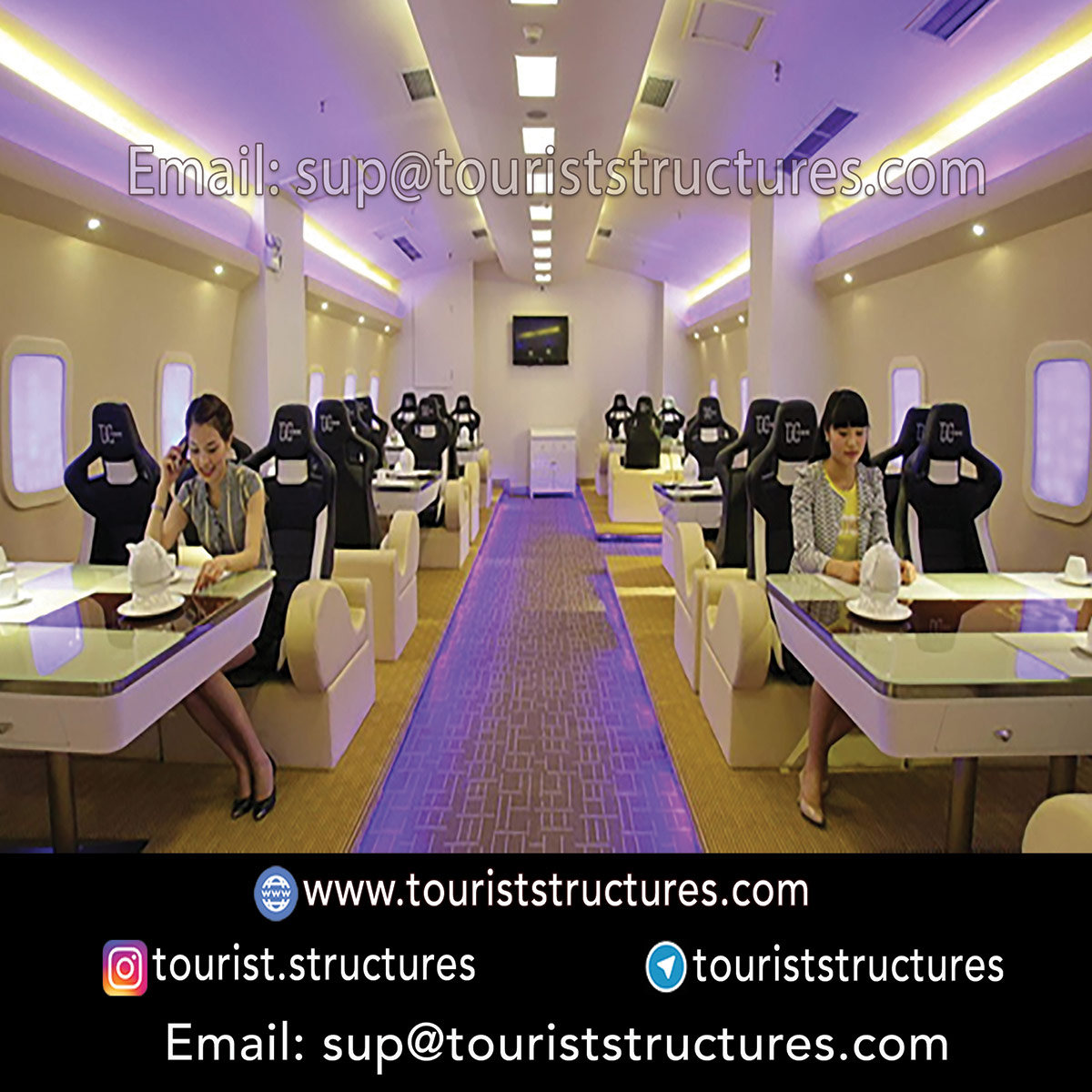
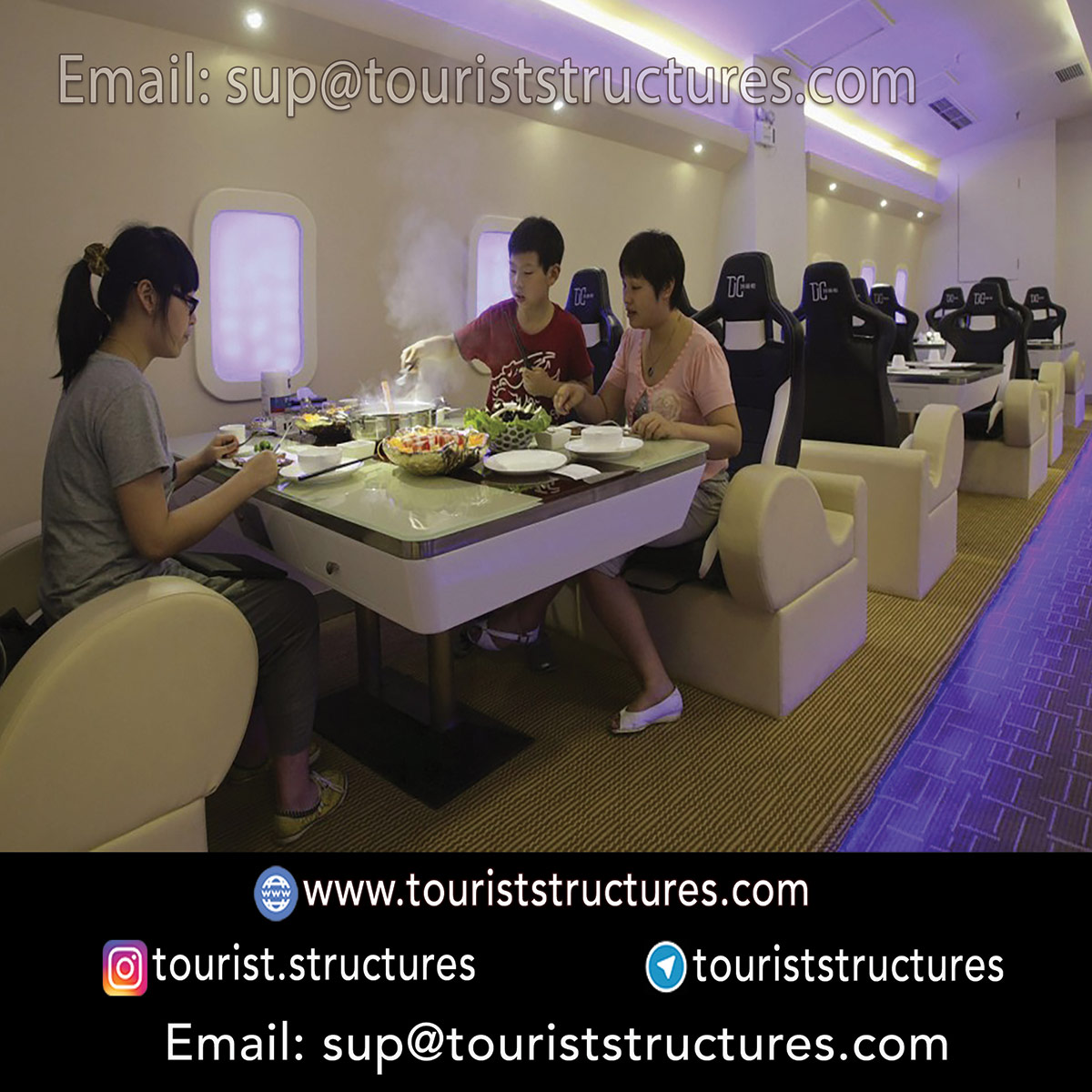
Around the world, many retired airplanes have been transformed into restaurants, creating a unique and unconventional dining atmosphere. These restaurants, set up inside airplane cabins, let guests experience what it’s like to dine in an aviation-themed restaurant.
Various examples of retired planes turned into restaurants.
These days, dining in a regular restaurant might seem too ordinary, and every so often, we hear about a new, quirky, and imaginative dining concept.
These kinds of restaurants come in all shapes and sizes, some quite eccentric: underwater restaurants, restaurants that look like flower shops, suspended restaurants high in the air, ones where simulated earthquakes strike at intervals, and now, airplanes that have been converted into dining spaces.
In various parts of the world, airplanes that no longer fly have been repurposed, and you won’t need a plane ticket to board. These planes have been turned into restaurants, offering a fascinating and memorable dining experience.
But that’s not all! Guests at these restaurants can also enjoy a tour of the airplane, including access to the crew cabins and other exciting areas usually off-limits.
In addition, guests can enjoy various entertainment options, such as access to hundreds of movies and TV shows. To top it off, a small souvenir can be offered to guests as a keepsake from this one-of-a-kind experience.
A beautiful and one-of-a-kind restaurant inside an airplane.
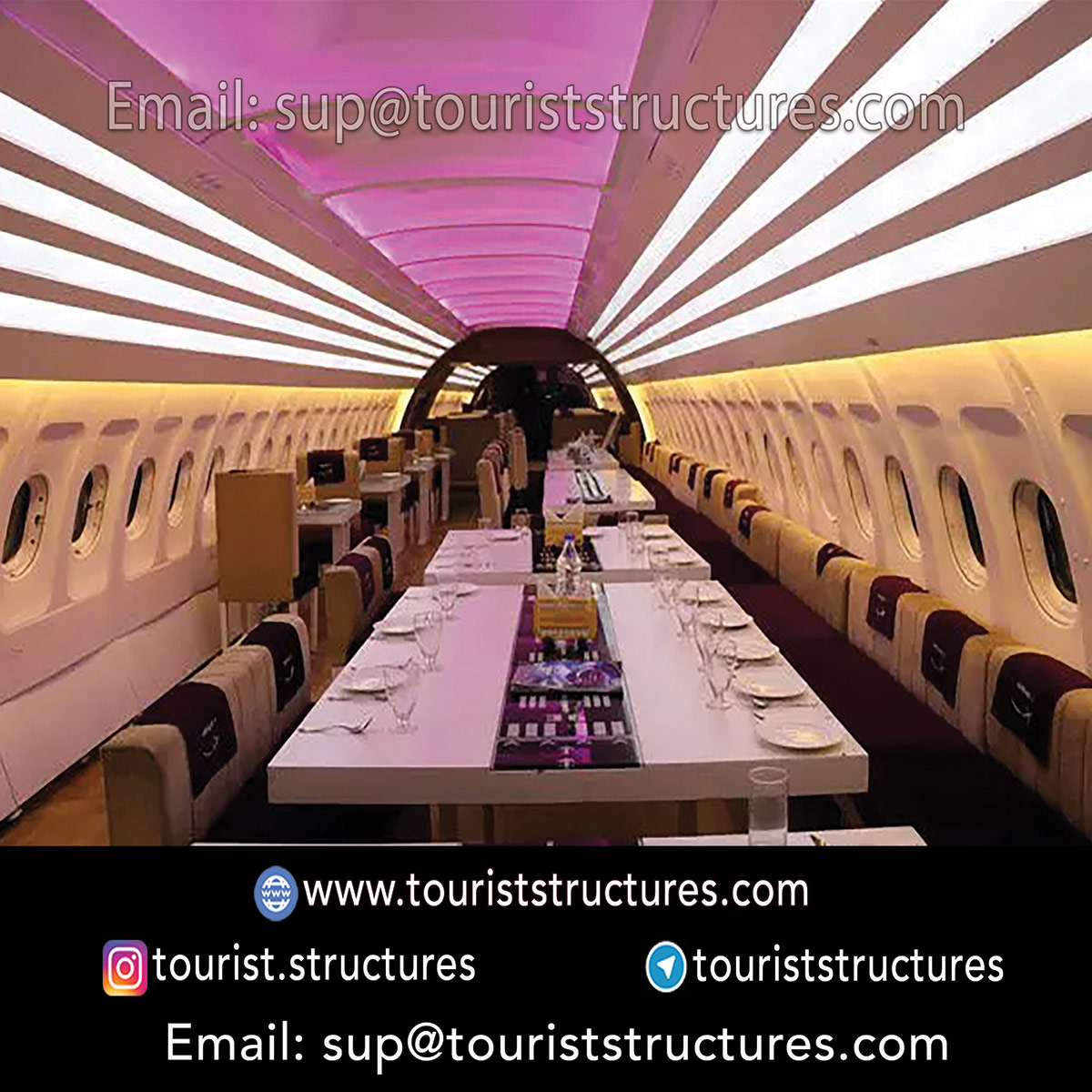
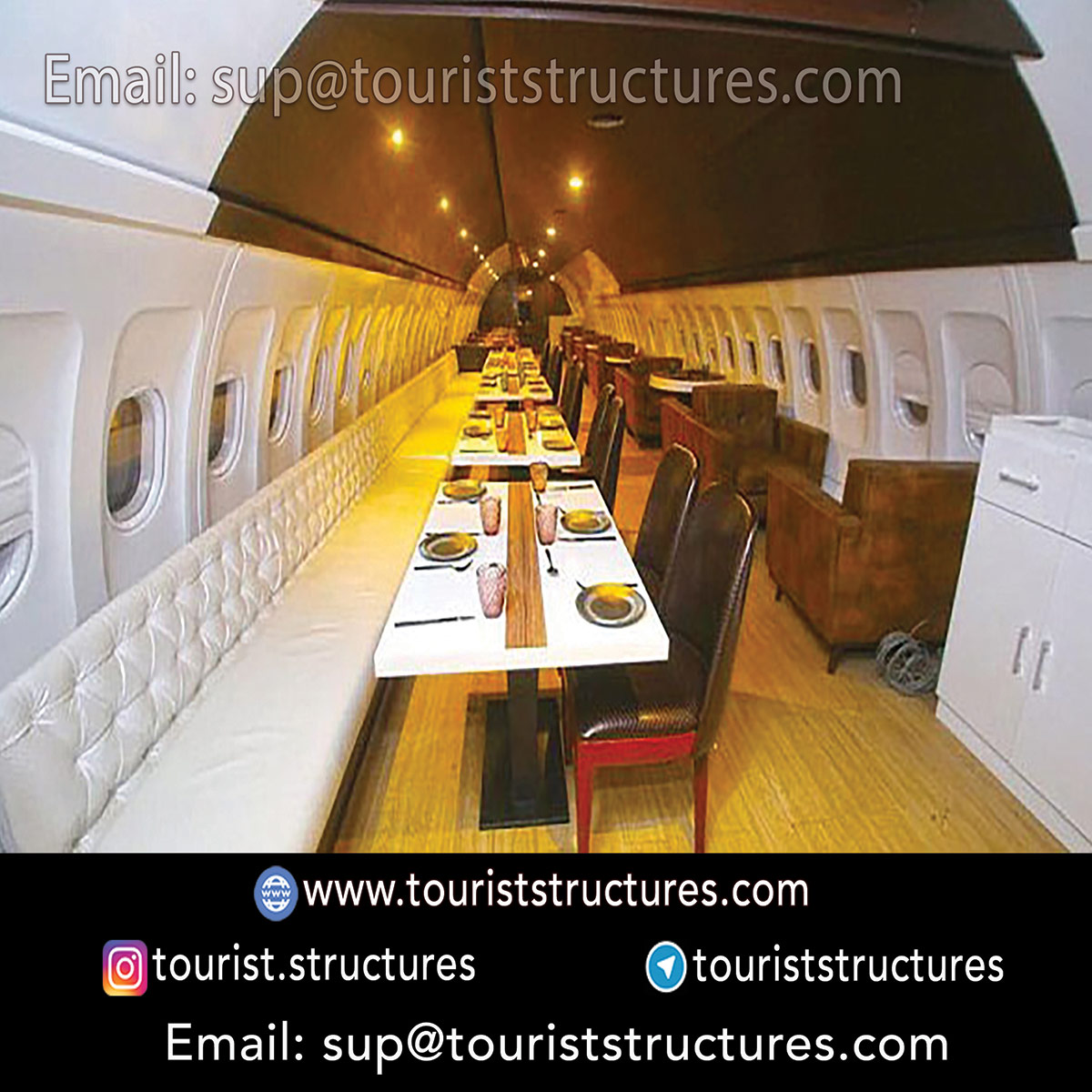
In many countries, including Iran, retired airplanes are being used as restaurants. These planes, though nolonger airworthy, still have a sturdy frame, and their interiors are remodeled to serve as restaurants or coffee shops.
However, the high cost of transporting these retired airplanes from the airport to the desired location makes this option not very economical.
Repurposing an airplane’s interior as a restaurant or café with custom décor.
Pasargad Company has found an innovative solution by manufacturing airplane bodies at a fraction of the cost, eliminating the need to purchase an old airplane. With this approach, a restaurant with the look and feel of an airplane can be built at a much lower cost.
There are several advantages to producing airplane bodies over buying decommissioned planes:
1. The cost is significantly lower, as old planes are made with expensive materials like aluminum, whereas the new models are constructed from iron.
2. Transporting and installing these new airplane bodies is far easier than with retired planes.
3. The limited availability of old airplanes and the lengthy administrative process for purchasingthem can be challenging. None of these issues exists when producing new airplane bodies.
Pasargad Company stands at the forefront of the industry, specializing in the design, structural calculations, construction, and implementation of Airplane Restaurants. Our approach hinges on engineering expertise and adherence to global standards.
Selecting any of the green options will navigate you to the corresponding sub-pages of the website.